






How AI Is Driving Innovation in 2026
In 2026, artificial intelligence (AI) continues to be a transformative force, driving innovation across various industries and reshaping the way businesses operate and individuals live. The rapid advancements in AI technologies have enabled unprecedented levels of automation, efficiency, and creativity that were once thought impossible. From healthcare to finance, manufacturing to entertainment, AI is at the forefront of innovation, pushing boundaries and creating new opportunities.
One of the most significant impacts of AI in 2026 is its ability to process vast amounts of data quickly and accurately. This capability allows organizations to gain deeper insights into customer behavior, market trends, and operational efficiencies. For example, in healthcare, AI-powered diagnostic tools analyze medical images with remarkable precision, assisting doctors in early disease detection and personalized treatment plans. These innovations not only improve patient outcomes but also reduce costs by minimizing unnecessary procedures.
In the realm of finance, AI algorithms are revolutionizing risk assessment and fraud detection. Machine learning models can identify suspicious transactions almost instantaneously while adapting to emerging threats more effectively than traditional methods. Additionally, AI-driven robo-advisors provide tailored investment advice based on real-time market analysis and individual financial goals. This democratization of financial services empowers a broader population to make informed decisions globalrule.substack.com about their wealth management.
Manufacturing sectors benefit enormously from AI through predictive maintenance and smart automation systems. By continuously monitoring equipment performance using sensors combined with machine learning analytics, companies can predict failures before they occur-reducing downtime significantly. Furthermore, collaborative robots or “cobots” work alongside human employees on assembly lines enhancing productivity without compromising safety or quality standards.
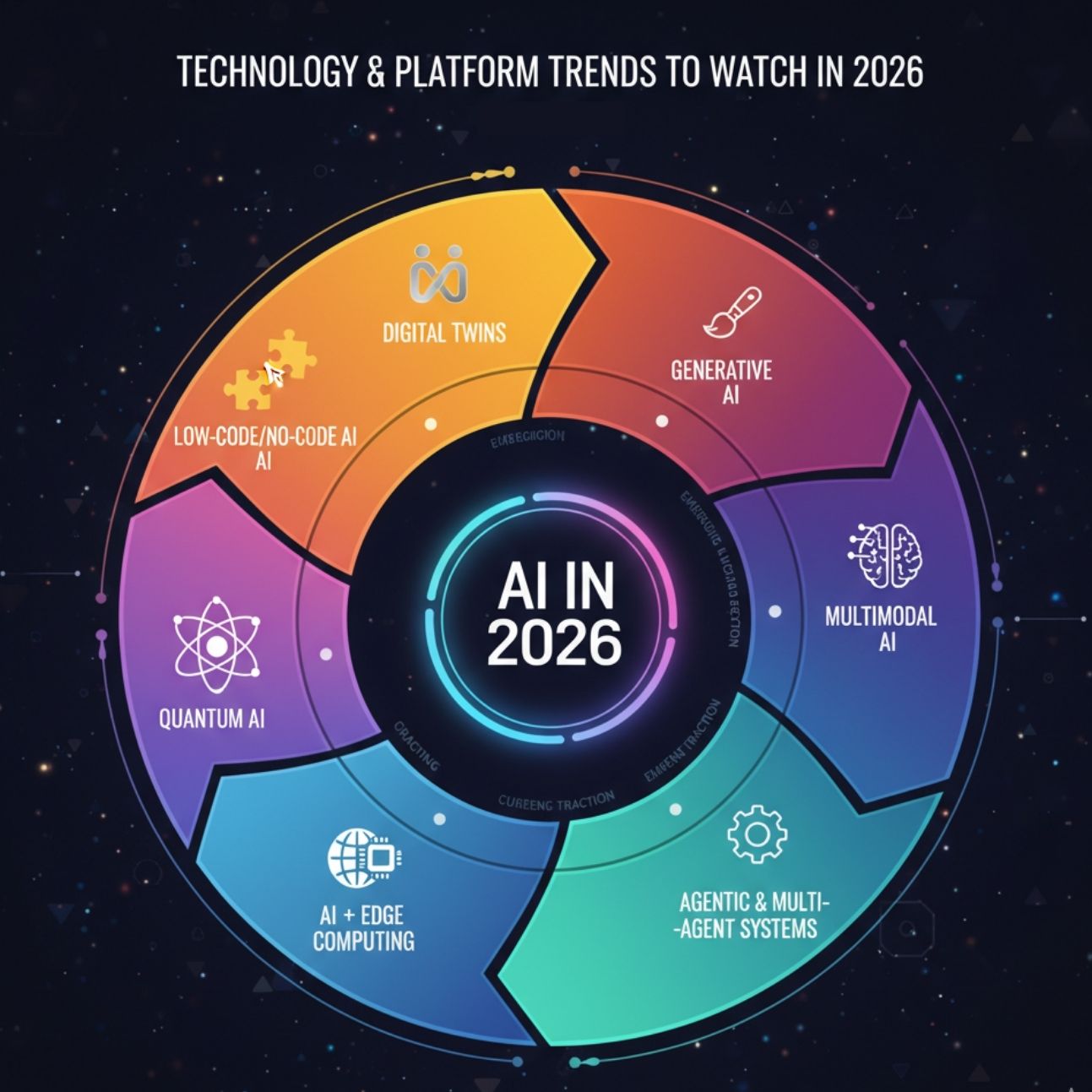
The creative industries are also experiencing an explosion of innovation fueled by generative AI models capable of producing art pieces, music compositions, writing content ideas instantly based on minimal input prompts from users worldwide enabling creators both professional artists as well as amateurs alike push creative boundaries further than ever imagined before.
Moreover technological integration between Internet-of-Things devices powered by edge computing along with advanced natural language processing capabilities has made human-computer interaction smoother facilitating smarter homes offices cities where everyday tasks become automated intuitive freeing up valuable time for people focusing more on strategic thinking rather than mundane repetitive chores leading towards higher overall productivity growth globally .
Ethical considerations around privacy transparency bias remain critical discussions shaping how these powerful tools are deployed responsibly ensuring equitable benefits inclusive participation avoiding misuse reinforcing trust among stakeholders while fostering continuous innovation cycles .
As we move deeper into 2026 , it becomes increasingly clear that artificial intelligence is not just a tool but a catalyst accelerating progress across all facets of society . Its role in driving innovation will continue expanding , unlocking potentials yet undiscovered , fundamentally altering our future landscape .